
Electrical insulating film materials
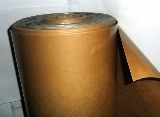 They are widely used in electrical engineering film electrical insulating materials (films) obtained from some high polymers. Films are made with a thickness of 5-400 microns.
Polystyrene films are produced with a thickness of 20-200 microns and a width of 20-400 mm.
Polyethylene — from 30 to 200 microns and width from 200 to 1500 mm.
Fluoroplast-4 films are produced in thicknesses from 5 to 40 microns and widths from 10 to 120 mm. Non-oriented and oriented films are made from fluoroplast-4.
Polyethylene terephthalate (lambose) films are produced in thicknesses from 15 to 60 microns.
Polyamide (nylon) films are produced with a thickness of 50 to 120 microns and a width of 100 to 1300 mm. The electrical characteristics of the films are drastically reduced upon wetting.
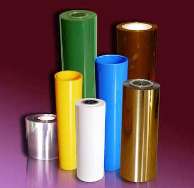
Cellulose triacetate (triacetate) films are produced unplasticized (solid), colored blue, slightly plasticized (colorless), and plasticized, colored blue. The latter are mainly used to insulate winding wires.
Unplasticized and slightly plasticized triacetate films are not used alone (insulating seals in electrical appliances and low-voltage devices). The largest application of triacetate films has been obtained in compositions with electrocardboard (film electrocardboard) or with micalette paper (syntofolia).
Triacetate films are produced in thicknesses of 25, 40 and 70 microns. The softening temperature of the films is from 130-140 (plasticized) to 160-180 ° C (non-plasticized).
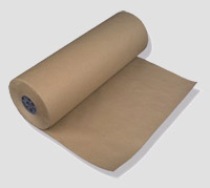
Single-sided film electrical board is a flexible material consisting of a roll of air-entrained electrical board (EV) glued on one side with a triacetate film. Glyphtal-oil and other varnishes that give flexible films are used as an adhesive varnish.
Double-sided foil electrocardboard (D) is a flexible material consisting of a triacetate foil, glued on both sides with an air-conducted electric cardboard with a thickness of 0.2 mm.
Film electrocardboards are produced in rolls with a width of up to 400 mm.